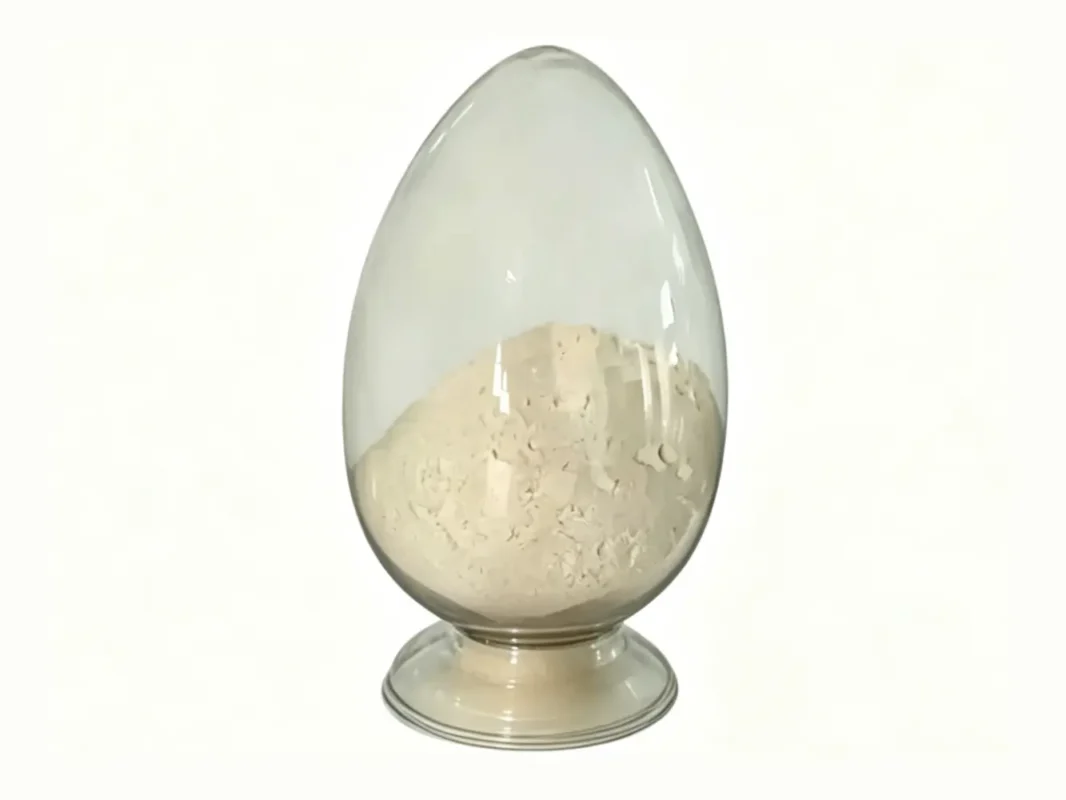
Hafnium is highly useful due to its propensity for electron emission (for instance, as a filament in incandescent light bulbs). It serves as a cathode in X-ray tubes, while alloys of hafnium with tungsten or molybdenum are employed as electrodes in high-voltage discharge tubes. It is commonly utilized in the manufacture of X-ray cathodes and tungsten filaments. Pure hafnium is malleable, easily machinable, and resistant to both high temperatures and corrosion, making it a vital material in the atomic energy industry. Given its large thermal neutron capture cross-section, hafnium acts as an ideal neutron absorber and is utilized in the construction of control rods and shielding mechanisms for nuclear reactors. Hafnium powder can be used as a propellant in rocket engines. In the electrical industry, it is employed in the fabrication of cathodes for X-ray tubes. Hafnium alloys are used for rocket nozzles and as leading-edge protective coatings for gliding atmospheric re-entry vehicles; specifically, Hf-Ta alloys are utilized in the production of tool steels and electrical resistance materials. In the field of heat-resistant alloys, hafnium serves as an alloying additive—for example, it is incorporated into certain alloys of tungsten, molybdenum, and tantalum. Due to its exceptional hardness and high melting point, hafnium carbide (HfC) is used as an additive in cemented carbides. The compound 4TaC·HfC possesses a melting point of approximately 4215°C, making it the compound with the highest known melting point.


Reviews
There are no reviews yet.