

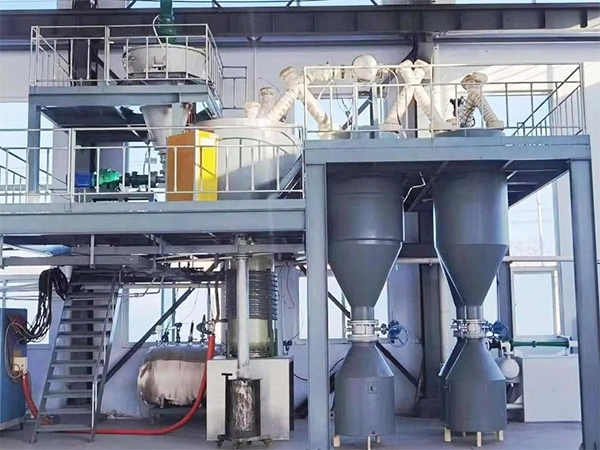
Chlorination Furnace
The rate of degradation of the refractory lining in a chlorination furnace is primarily governed by the rate of carbothermal reduction occurring within the Al₂O₃-SiO₂ refractory material.
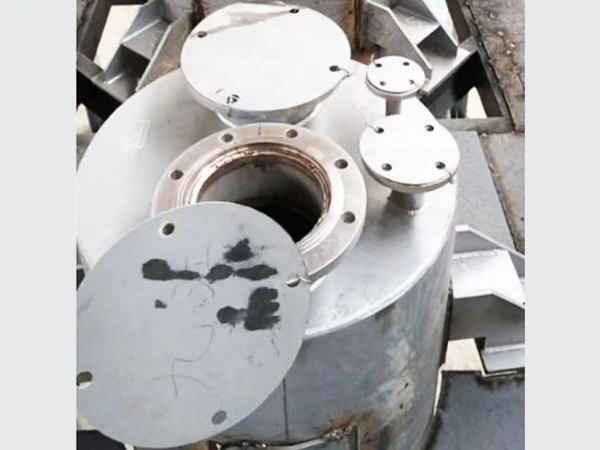
Chlorination Furnace Condenser
A condenser is a component of a refrigeration system and a type of heat exchanger; it converts gases or vapors into liquids by rapidly transferring the heat contained within its tubes to the surrounding air. The operation of a condenser is an exothermic process; consequently, the temperature of a condenser is typically elevated.
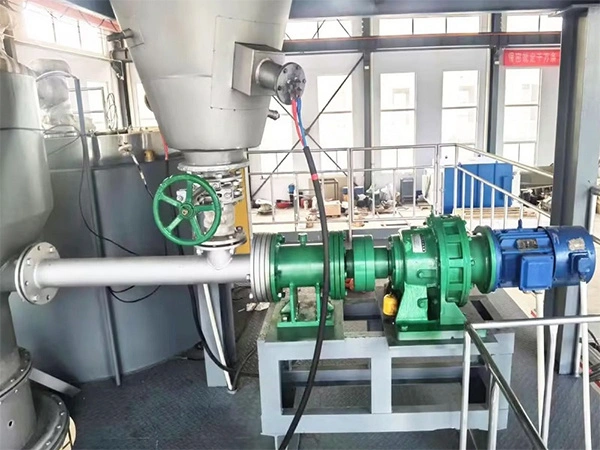
Chlorination Process Equipment
The chlorination process training apparatus enables trainees to better master safety operation standards and procedures relevant to chlorination processes, learn the correct usage of specialized equipment and tools, and acquire skills in emergency response and risk prevention. This directly contributes to enhancing safety production standards, mitigating accident risks, and safeguarding the lives and physical well-being of employees.
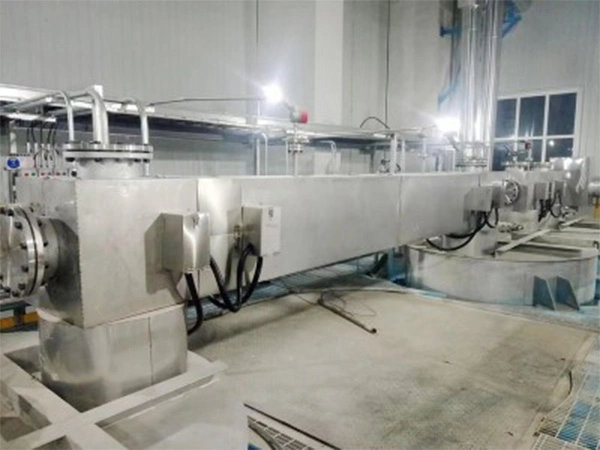
Chlorination Process Equipment
Vinyl chloride is produced using the acetylene gas-phase method. This process utilizes activated carbon as a support medium, impregnated with mercuric chloride as a catalyst, and is based on the gas-phase addition reaction between acetylene and hydrogen chloride. The reaction takes place within a converter packed with the catalyst, at a temperature range of 80–180°C.
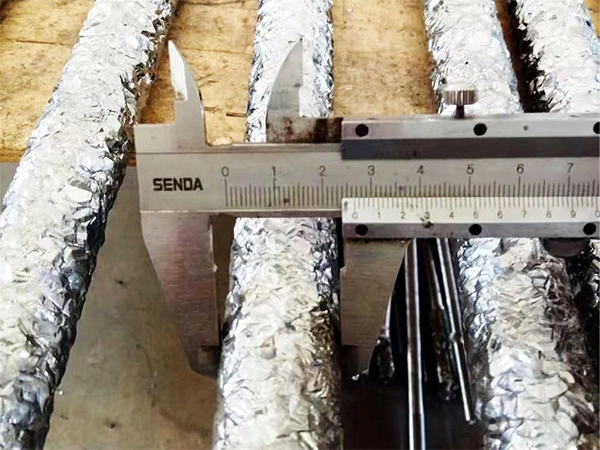
Crystalline Hafnium
Hafnium is highly useful due to its propensity for electron emission (for instance, as a filament in incandescent light bulbs). It serves as a cathode in X-ray tubes, while alloys of hafnium with tungsten or molybdenum are utilized as electrodes in high-voltage discharge tubes. It is commonly employed in the manufacture of X-ray cathodes and tungsten filaments. Pure hafnium is malleable, easily machinable, and resistant to both high temperatures and corrosion; consequently, it constitutes a vital material within the atomic energy industry.
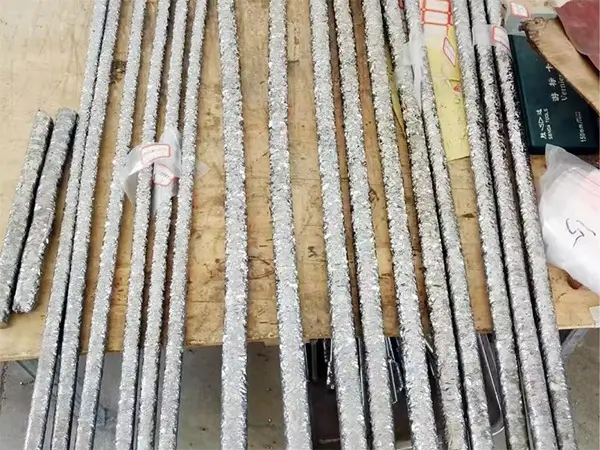
Crystalline Hafnium
Hafnium is highly useful due to its propensity for electron emission (for instance, as a filament in incandescent light bulbs). It serves as a cathode in X-ray tubes, while alloys of hafnium with tungsten or molybdenum are employed as electrodes in high-voltage discharge tubes. It is commonly utilized in the manufacture of X-ray cathodes and tungsten filaments. Pure hafnium is malleable, easily machinable, and resistant to both high temperatures and corrosion, making it a vital material in the atomic energy industry.
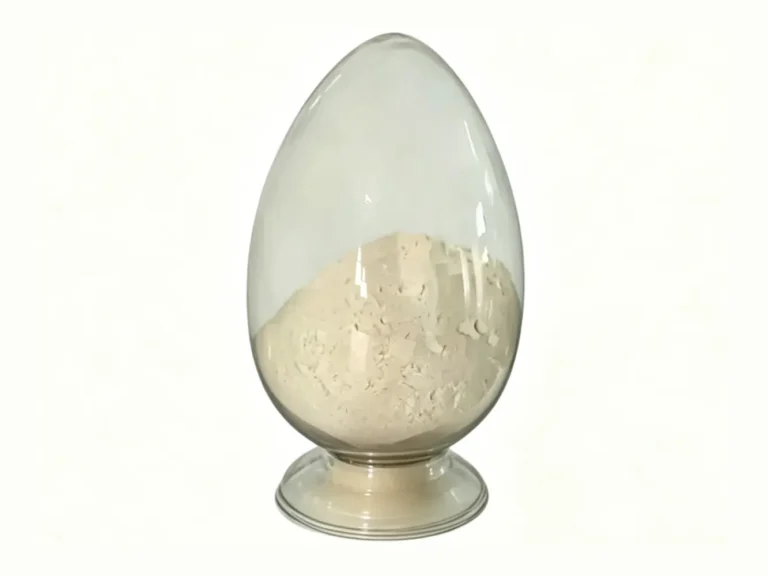
Hafnium Oxide
Standard Hafnium Oxide: HfO₂ ≥ 99%, Zr < 0.2%
High-Purity Hafnium Oxide: HfO₂ ≥ 99.9%, Zr < 0.02%
HfO₂ ≥ 99.95%, Zr < 0.01%
Form: Powder (20–70 µm); particle size can be customized upon request.
Zirconium and metallic impurity content can be customized.
Applications: Raw material for metallic hafnium and its compounds.
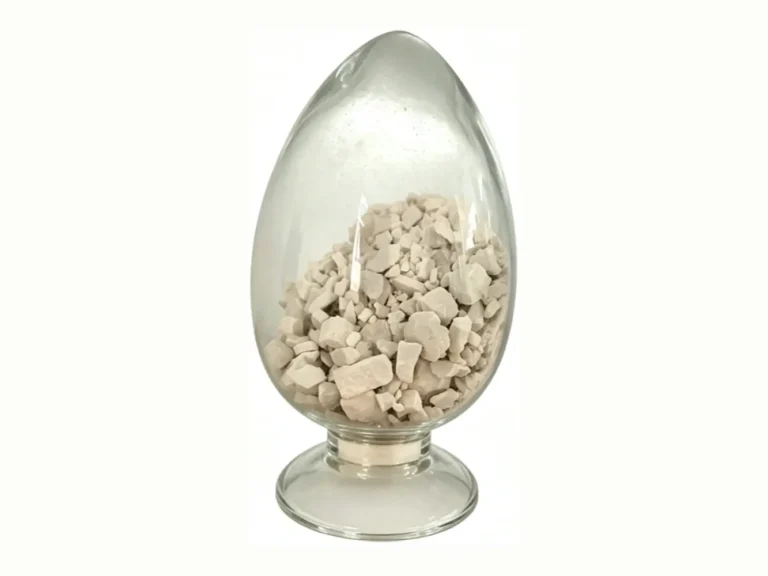
Hafnium Tetrachloride
Purity: Standard HfCl ≥ 99% (Zr ≤ 0.02%, Fe ≤ 0.075%)
High-Purity HfCl ≥ 99.9% (Zr ≤ 0.02%, Fe ≤ 0.040%)
Form: Powder or Lumps; Prepared via chlorination method; Ultra-dry and anhydrous
Customization available for low Zr, low Ni, and other metal impurity content
Applications: Ultra-high temperature ceramics, precursors, and raw materials for the production of metallic Hafnium
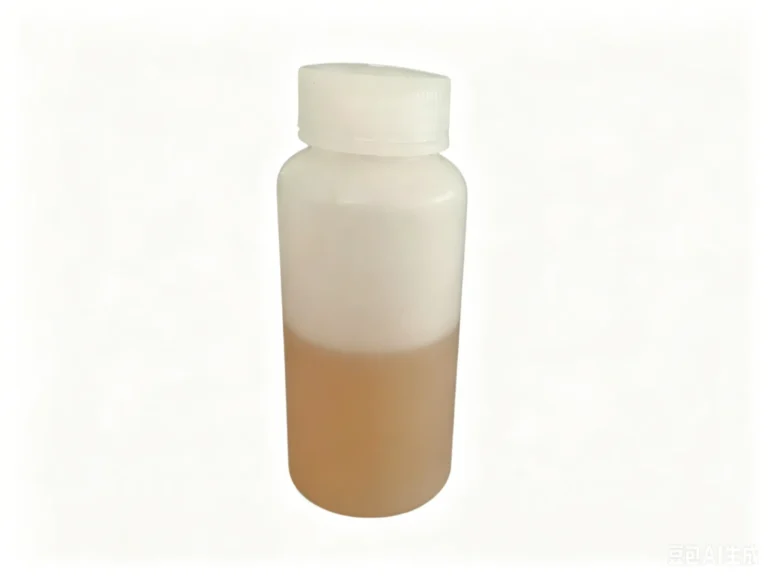
Organic hafnium (zirconium)
Specification: Hafnium (Zirconium) Propoxide ≥ 70%
Appearance: Pale yellow, viscous liquid
Organic solvent and lead content are customizable.
Applications: Research reagents, precursors for ultra-high-temperature materials;
Used in catalysts, optical films, and high-end chips.
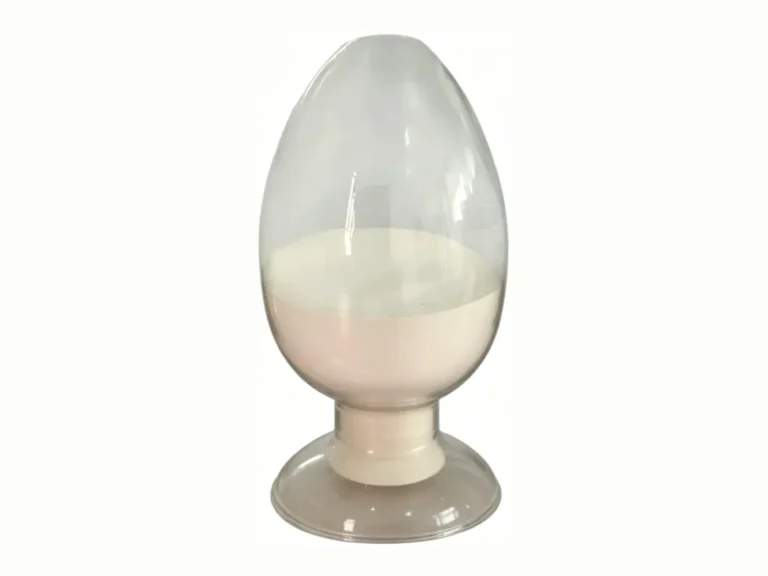
Rare Earth-Doped Hafnium-Zirconium Oxide Spraying Powder
Purity: 3.5–7% Y₂O₃-Hf(Zr)O₂
Specifications: Powder diameter 10–50 µm; uniform particle size distribution with excellent flowability
Adjustable Hf:Zr compositional ratio
Applications: High-temperature and corrosion-resistant coating materials for aerospace engines, gas turbine blades, combustion chambers, etc.
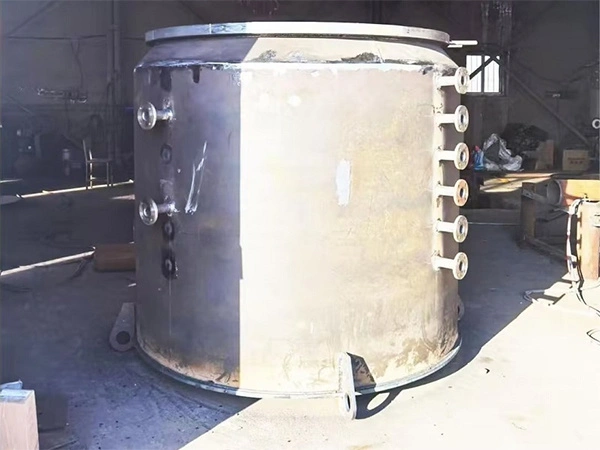
Reactor Chamber
The combustion of natural gas generally proceeds through three stages: the mixing of the gas and air; the heating and ignition of the gas mixture; and the combustion of the mixture. The condition for flame stability is that the flame propagation velocity and the flow velocity of the combustible gas mixture are equal in magnitude but opposite in direction. Stable Combustion: The mixing velocity of the gas and air exceeds the flame propagation velocity, causing the flame to lift off from the burner nozzle. Flashback: The mixing velocity of the gas and air is lower than the flame propagation velocity, causing the flame to propagate back into the interior of the burner nozzle.
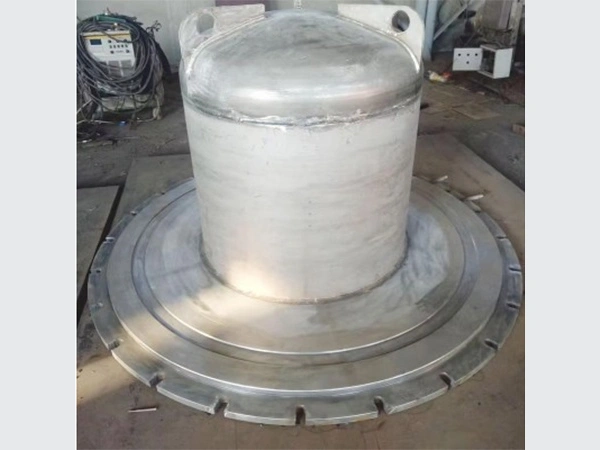
Reactor Liner
Stainless steel industrial furnace liners exhibit exceptional high-temperature resistance. Since industrial furnace liners are required to withstand high-temperature environments during operation, the inherent heat-resistant properties of stainless steel—which allow it to maintain stable performance at elevated temperatures without easily deforming, becoming brittle, or oxidizing—ensure the long-term, stable operation of the furnace liner.